
Story of a Legendary Inventor
Thomas Edison, widely celebrated as one of the greatest inventors in history, was a man whose insatiable curiosity and relentless determination changed the course of human progress. Known for inventions like the phonograph, the electric light bulb, and motion picture technology, Edison’s story is one of humble beginnings, extraordinary perseverance, and a vision for a brighter future.
A Humble Beginning
Thomas Alva Edison was born on February 11, 1847, in Milan, Ohio, to Samuel and Nancy Edison. His family moved to Port Huron, Michigan, when he was seven years old. Unlike many prodigious inventors, Edison’s early education was anything but stellar. He attended formal school for only a few months before his teachers deemed him “difficult” due to his constant questioning. Nancy Edison, his devoted mother, took it upon herself to educate her son at home, fostering his natural curiosity and encouraging him to read widely.
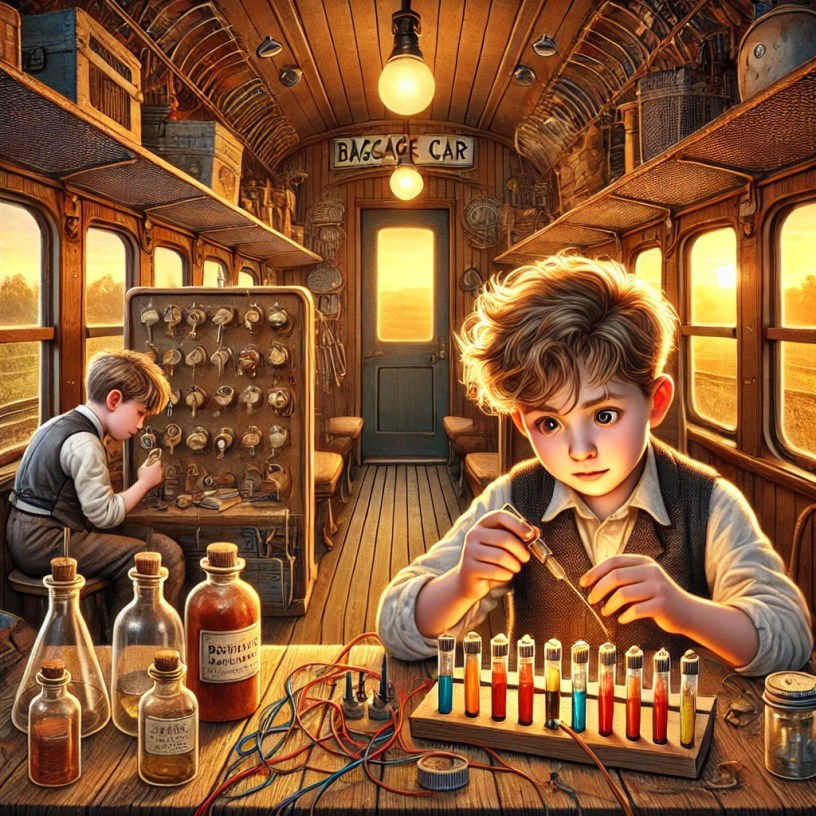
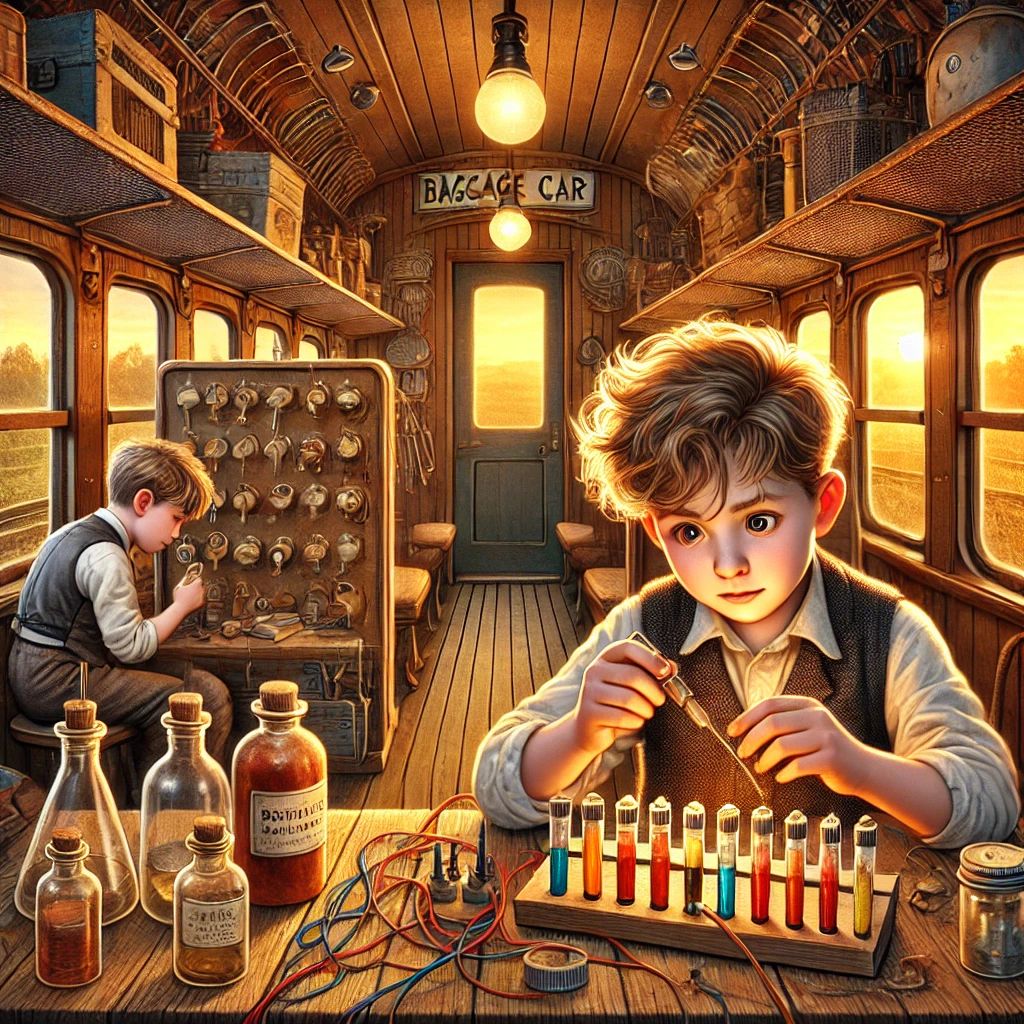
Edison’s interest in how things worked was evident from a young age. At 12, he began working as a newsboy and candy seller on trains, using the money he earned to buy chemicals and equipment for experiments. He set up a small laboratory in a baggage car, but an accidental fire ended this venture. This minor setback didn’t deter the budding scientist; it only fueled his determination.
A Lifelong Learner
Despite his lack of formal education, Edison became a voracious reader and autodidact. He consumed books on science, mechanics, and telegraphy, disciplines that fascinated him. At 15, he got his first job as a telegraph operator, a position that allowed him to tinker with machinery and refine his problem-solving skills.
It was during his telegraphy career that Edison developed his first patented invention, the Electric Vote Recorder, in 1869. Although the device was not a commercial success, it marked the beginning of Edison’s career as an inventor. This early failure taught him an invaluable lesson: invention and practicality must go hand in hand.
The Menlo Park Laboratory
In 1876, Edison established his famous laboratory in Menlo Park, New Jersey—a facility often called the first industrial research lab in the world. It was here that Edison and his team worked tirelessly on some of his most groundbreaking inventions. His approach to invention was revolutionary, as he employed a team of “muckers” (assistants) who collaborated to bring his ideas to life.
Edison’s method was a departure from the lone inventor stereotype. He believed in systematic experimentation and the power of teamwork. His philosophy was simple: “Genius is one percent inspiration and ninety-nine percent perspiration.”
The Light Bulb and Beyond
Edison’s most famous achievement came in 1879 with the invention of a practical incandescent light bulb. While he did not invent the light bulb itself, he improved upon existing designs, creating a long-lasting filament and a viable electric lighting system. This innovation revolutionized daily life and paved the way for modern electrical grids.
Other notable inventions from Edison’s prolific career include the phonograph (1877), a device that could record and play sound, and the kinetoscope (1891), a precursor to modern motion picture cameras. By the end of his life, Edison held an astounding 1,093 U.S. patents.
Legacy of a Visionary
Thomas Edison’s origin story is a testament to the power of curiosity, perseverance, and hard work. From a curious boy experimenting in a baggage car to a world-renowned inventor who transformed industries, Edison’s journey inspires countless innovators.
Edison’s legacy endures in the technologies we use today and in the mindset he championed: never stop questioning, experimenting, and striving to improve the world around you.
Have an origin story you want to know more about? Send your request to contact.origin.zone@gmail.com and submit your idea and be recognized in future posts.
 The Origin Zone