
A Journey Through History
Bowling, one of the world’s oldest and most beloved sports, has a fascinating history that stretches back thousands of years. From its humble beginnings as a recreational activity in ancient civilizations to the popular sport it is today, the story of bowling is one of evolution, cultural exchange, and innovation.
Ancient Beginnings: The First Evidence
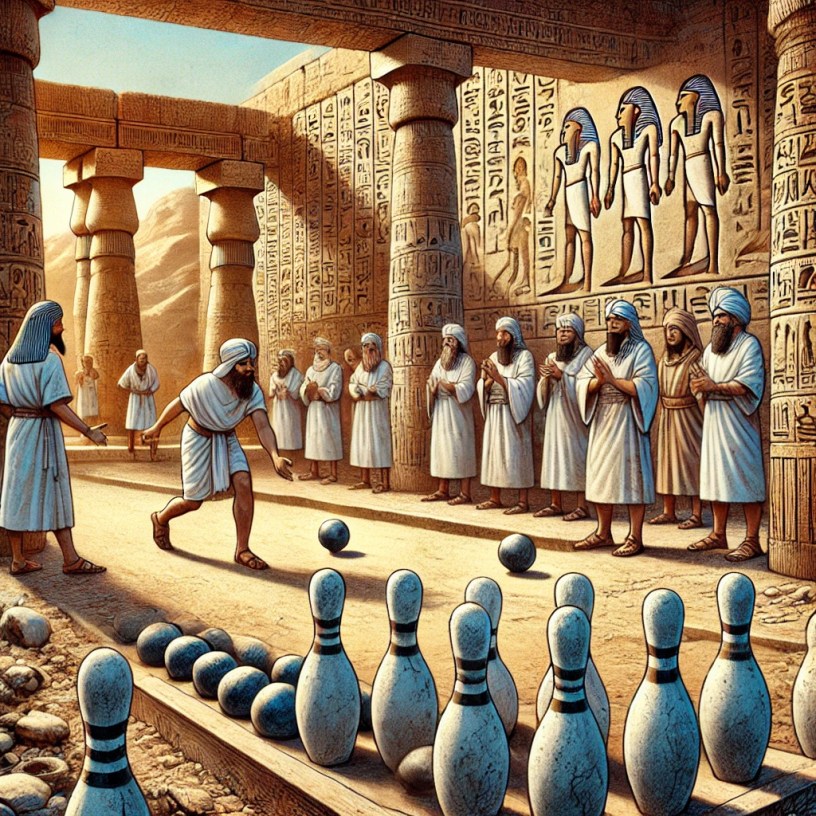
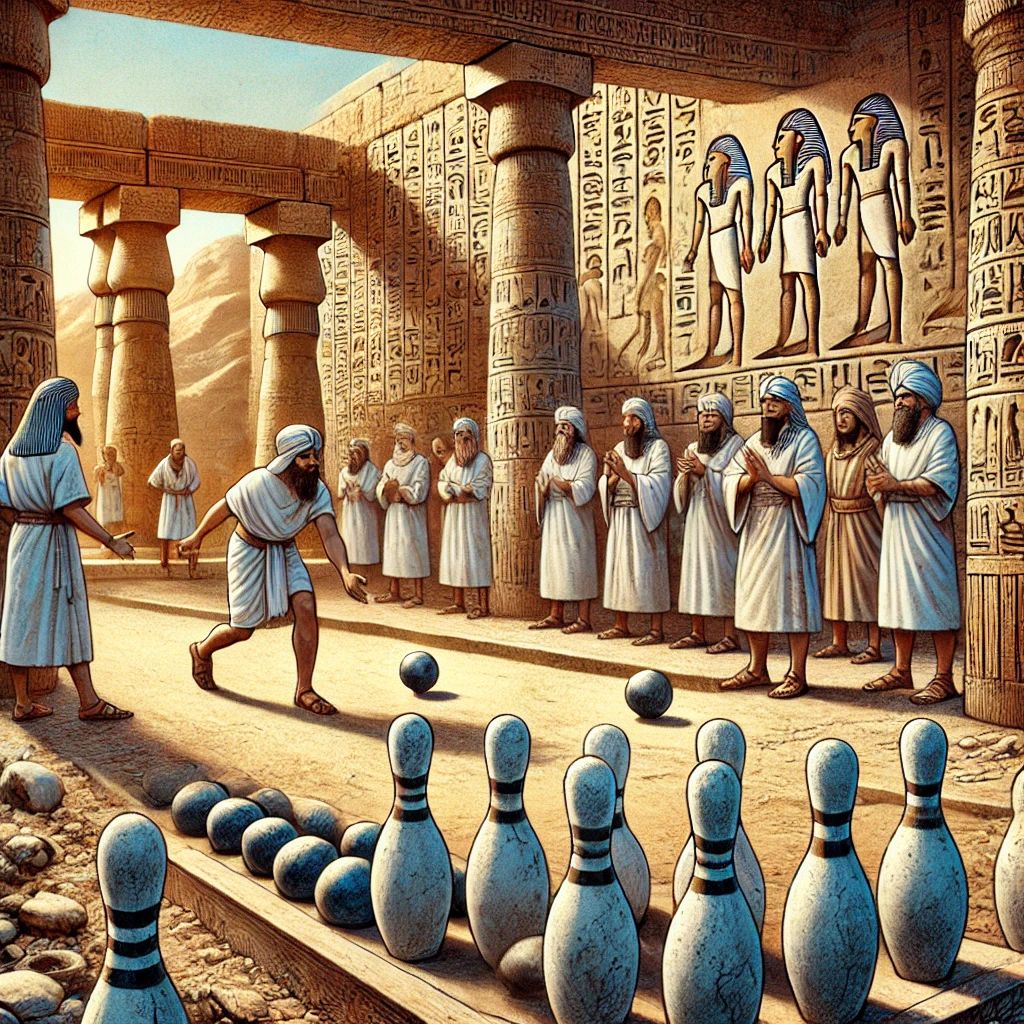
The earliest evidence of bowling-like games dates back to ancient Egypt. Archaeologists discovered a set of primitive bowling equipment in the tomb of an Egyptian child, which dates back to around 3200 BCE. The set consisted of stones arranged in a formation that resembles the modern-day bowling pins, and the idea of rolling a stone to knock them down may have been an early form of the game.
In ancient Rome, a similar game known as “bocce” was played, where players rolled a heavy ball toward smaller balls (or pins) in an effort to knock them down or reach a specific target. This game spread throughout Europe, influencing many cultures and eventually laying the foundation for the development of modern bowling.
Bowling in Medieval Europe: From Ritual to Recreation
The next significant chapter in bowling’s history came during the medieval period. In the 3rd and 4th centuries, the Germanic tribes had a game called “kegeln,” in which players rolled a wooden ball to knock down pins. This game was often played as a form of ritual, with the pins symbolizing evil or sin, and the act of knocking them over was believed to purify the player.
However, over time, kegeln evolved from a religious rite into a recreational activity enjoyed by people of all ages. By the 14th century, the game had spread across Europe, and various countries began to adopt their own versions, each with slight variations in the rules and number of pins. In England, the game began to be referred to as “ninepins,” which was similar to modern bowling.
The Birth of Modern Bowling: The United States Influence
Bowling as we know it today began to take shape in the early 19th century in the United States. Immigrants from Europe brought their versions of bowling with them, and by the 1830s, bowling alleys began to appear in New York and other cities. Initially, the game was played with nine pins, but a law was passed in 1841 in Connecticut that made nine-pin bowling illegal due to gambling concerns. To circumvent this, the game was adapted to feature ten pins, which became the standard for modern bowling.
In 1895, the first formal rules of ten-pin bowling were established, and the American Bowling Congress (ABC) was founded in New York City. The ABC helped standardize the rules and promote the game across the country, which led to the formation of leagues and the development of professional bowling.
Bowling’s Global Popularity
The 20th century saw the rise of bowling as a mainstream sport. With the advent of automatic pinsetters in the 1950s, bowling became more accessible to the public, leading to the opening of thousands of bowling alleys worldwide. Television broadcasts of professional bowling tournaments, such as the PBA (Professional Bowlers Association) Tour, helped elevate the sport’s popularity.
Bowling alleys became central hubs for social gatherings, providing an inclusive space for people of all ages and backgrounds to enjoy the game. As the sport grew, so did the technology behind it, with advancements in bowling balls, lane oiling systems, and scoring technology making the game more competitive and enjoyable.
Today: A Sport for All Ages
Today, bowling is enjoyed by millions around the world, from casual players at local bowling alleys to elite professionals competing in global tournaments. The game has adapted to the modern world, with innovations like cosmic bowling (bowling in the dark with neon lights) and video game adaptations, ensuring that the sport remains relevant and fun for generations to come.
Bowling’s origin story is one of cultural transformation and innovation, making it one of the most enduring sports in the world. From its ancient roots to its current place as a global pastime, bowling continues to bring people together, offering a combination of skill, competition, and fun.
 The Origin Zone