
The Origin of Valentine’s Day: From Ancient Rituals to Modern Romance
Every February 14, millions of people exchange love notes, flowers, and chocolates in celebration of Valentine’s Day. But have you ever wondered where this romantic tradition came from? The history of Valentine’s Day is a fascinating blend of ancient Roman festivals, Christian legends, and medieval poetry. Let’s dive into the origins of this love-filled holiday.
The Pagan Beginnings: Lupercalia Festival
Long before Valentine’s Day became a celebration of romance, the ancient Romans held a fertility festival called Lupercalia. Celebrated annually on February 15, this festival honored Lupercus, the god of fertility, and Faunus, the god of agriculture. The event involved animal sacrifices, feasting, and a matchmaking lottery where young men and women were paired together, sometimes leading to marriage.
When Christianity spread throughout Rome, the Church sought to replace pagan festivals with Christian celebrations. Lupercalia, with its wild and unrestrained customs, was eventually banned—but its spirit of love and pairing lingered on.
The Legend of St. Valentine
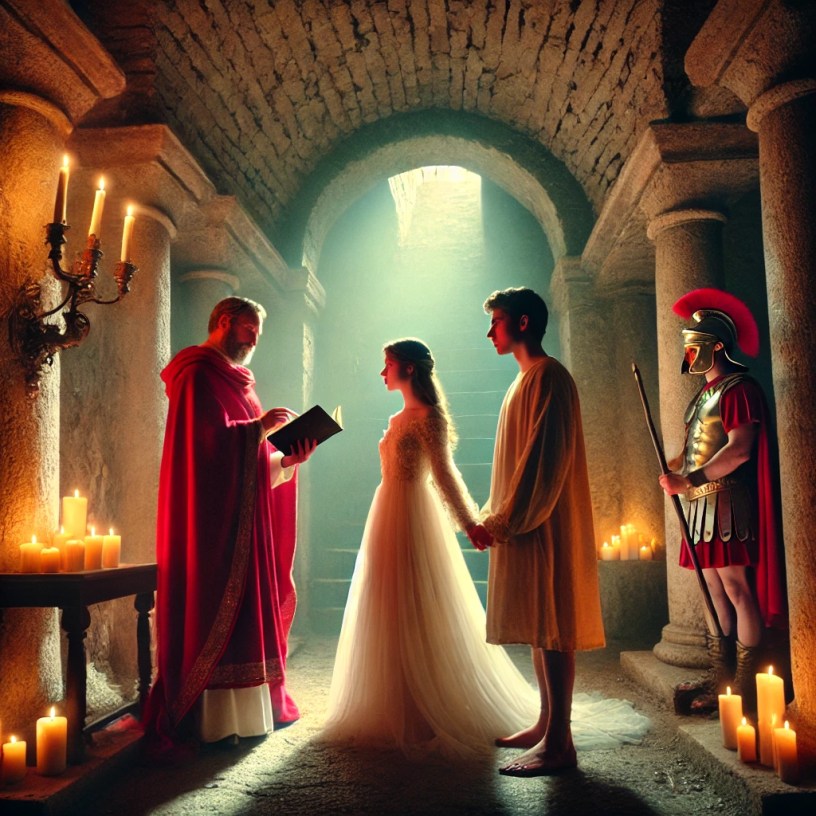
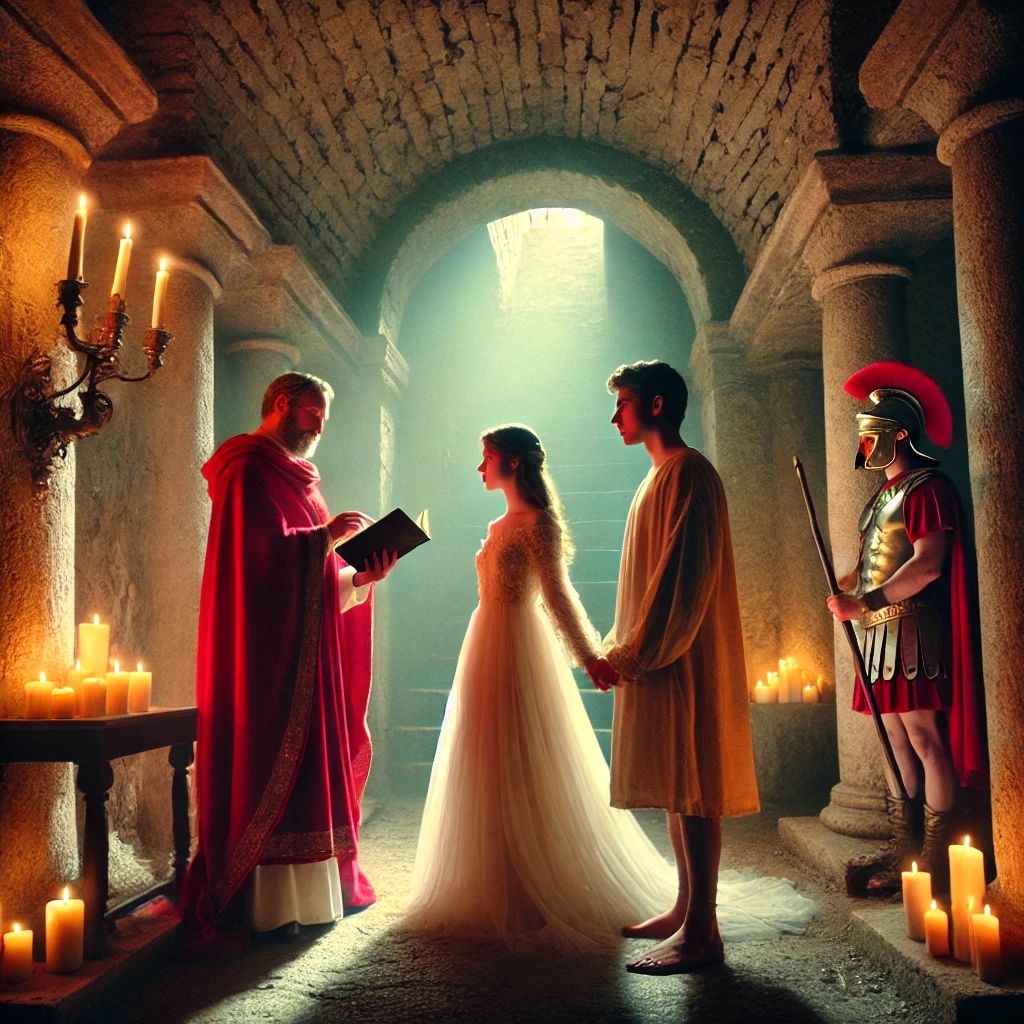
The true identity of St. Valentine remains a mystery, as several early Christian martyrs bore the name. However, the most famous legend tells the story of a Roman priest named Valentine, who lived during the reign of Emperor Claudius II in the 3rd century.
At the time, Claudius had banned marriages for young soldiers, believing that single men made better warriors. Valentine, defying this decree, secretly performed Christian marriages. When his actions were discovered, he was imprisoned and later executed on February 14, around 269 AD.
Another version of the story claims that while in prison, Valentine fell in love with the jailer’s blind daughter. Before his execution, he supposedly sent her a farewell note signed “From your Valentine,” giving birth to the phrase we still use today.
In 496 AD, Pope Gelasius I officially declared February 14 as St. Valentine’s Feast Day, solidifying Valentine as a symbol of love and devotion.
The Rise of Romantic Traditions
While Valentine’s Day had religious significance, its association with romance truly flourished during the Middle Ages. The famous English poet Geoffrey Chaucer helped popularize the connection between love and February 14 in his poem “Parlement of Foules” (1382), where he wrote:
“For this was on Saint Valentine’s day,
When every bird cometh there to choose his mate.”
This idea of February 14 being a day for lovers spread across Europe, leading to the exchange of handwritten love notes, or “valentines.” By the 17th and 18th centuries, it became common for couples to give gifts and letters expressing their affection.
Valentine’s Day in the Modern World
By the 19th century, printed Valentine’s Day cards became popular, thanks to the rise of mass production. The Victorian era saw an explosion of romantic customs, with intricate lace-trimmed cards, flowers, and poetry being exchanged widely.
Today, Valentine’s Day is a global celebration of love, observed in different ways across cultures. Whether through chocolates, romantic dinners, or heartfelt messages, the holiday continues to evolve while staying true to its historical roots.
Final Thoughts
Valentine’s Day has come a long way from its ancient Roman origins and medieval legends. What started as a blend of fertility rituals and Christian martyrdom has transformed into a cherished occasion for expressing love. Whether you’re celebrating with a partner, friends, or simply treating yourself, February 14 remains a day to appreciate love in all its forms.
 The Origin Zone