
The Origin Story of Barcodes: From Sand to Scanners
Today, barcodes are everywhere—on groceries, shipping labels, and even hospital wristbands. But their origin story goes back to a moment of inspiration on a beach and decades of trial and error before they became the invisible force driving modern commerce.
A Beachside Breakthrough
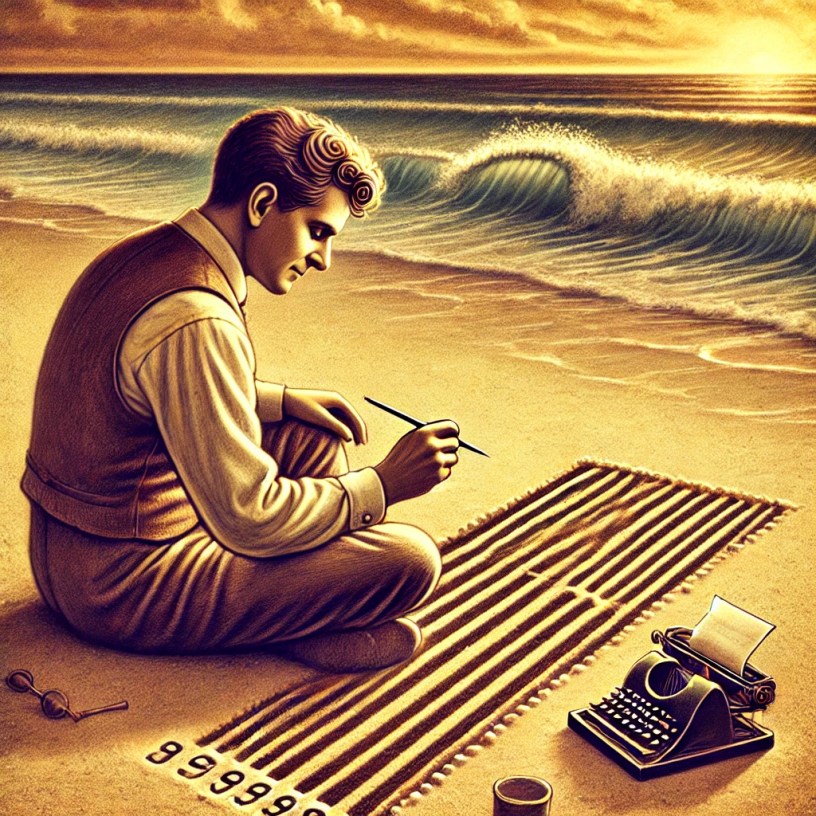
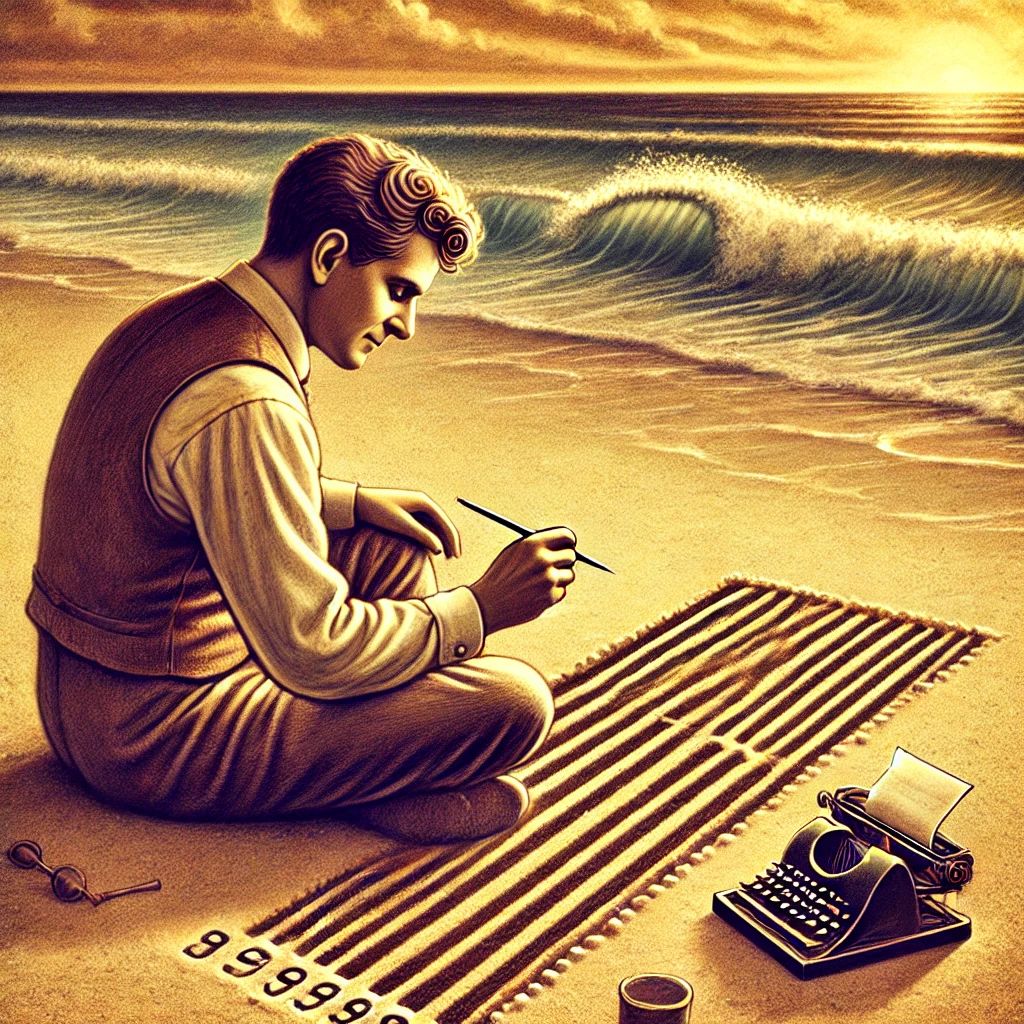
The idea for the barcode was born in 1948 when Joseph Woodland, a graduate student at Drexel Institute of Technology, was brainstorming ways to automate grocery checkout. Inspired by Morse code, he sat on a beach in Miami and absentmindedly drew dots and dashes in the sand. Then, in a flash of insight, he extended the dots and dashes into long, continuous lines—creating the foundation for the barcode system we use today.
The First Patent and Early Struggles
Woodland, along with his friend Bernard Silver, developed the concept into a working system and received U.S. Patent 2,612,994 in 1952 for a “Classifying Apparatus and Method.” Their original barcode design was a circular bullseye pattern, meant to be scanned from any angle. However, the technology of the time couldn’t keep up—the laser scanners needed to read barcodes didn’t exist yet, and the idea remained ahead of its time.
The Rise of the Universal Product Code (UPC)
It wasn’t until the 1970s that barcodes finally found their place in the retail world. The National Association of Food Chains (NAFC) called for a standard coding system to improve supermarket checkout efficiency. IBM engineer George Laurer refined Woodland’s concept into the familiar rectangular UPC barcode, which was easier to print and scan.
On June 26, 1974, history was made when a pack of Wrigley’s Juicy Fruit gum became the first product ever scanned at checkout using a barcode at a supermarket in Troy, Ohio.
Barcodes Take Over the World
From that moment, barcodes revolutionized inventory management, retail, and logistics. Their use spread beyond supermarkets to manufacturing, shipping, healthcare, and beyond. The development of QR codes in the 1990s further expanded their capabilities, allowing barcodes to store vast amounts of information.
From an Idea in the Sand to a Billion Scans a Day
What started as a casual sketch in the sand has become one of the most powerful tools in modern business. Today, billions of barcodes are scanned every day, making our lives faster, more efficient, and seamlessly connected.
Next time you scan a barcode at the checkout, remember—it all began with a stroke of genius on a beach.
 The Origin Zone