
The Origin Story of White-Out: A Mistake That Made Millions
In the world of office supplies, few inventions are as universally useful as White-Out. The small bottle of correction fluid has saved countless documents from typos and errors, but its story is one of innovation born from frustration.
A Secretary’s Problem
The story of White-Out begins in the 1950s with Bette Nesmith Graham, a secretary in Texas who struggled with the challenges of typewriting errors. At the time, typewriters had no easy way to correct mistakes, forcing typists to either start over or attempt to erase errors, often making things worse.
Graham, who had an artistic background, noticed that painters simply covered up their mistakes with more paint. This gave her an idea: What if she could create a paint-like substance that could cover typing errors?
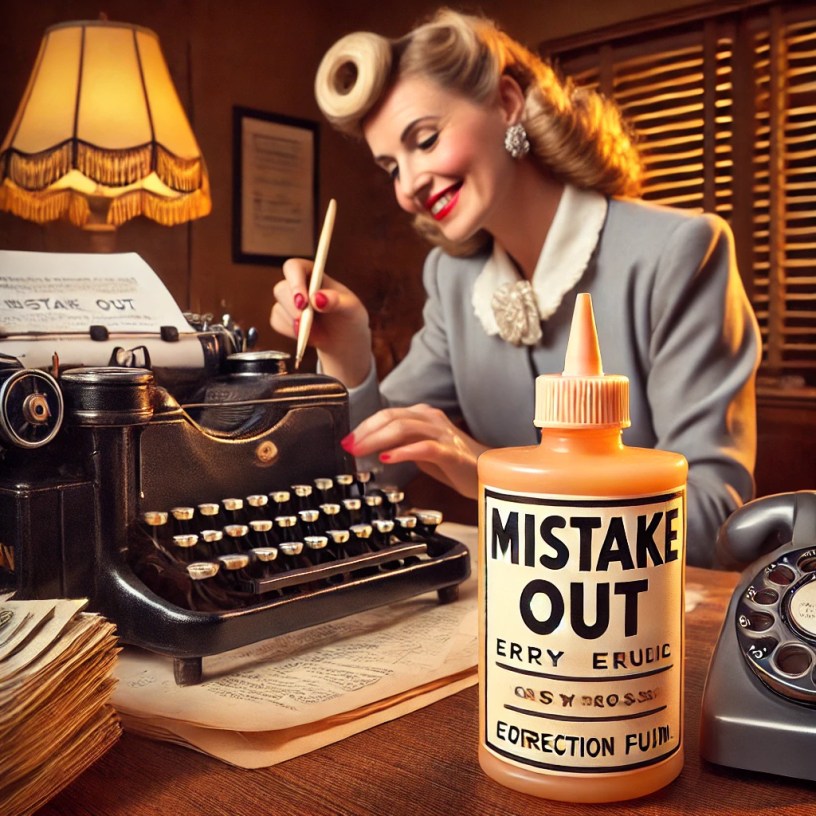
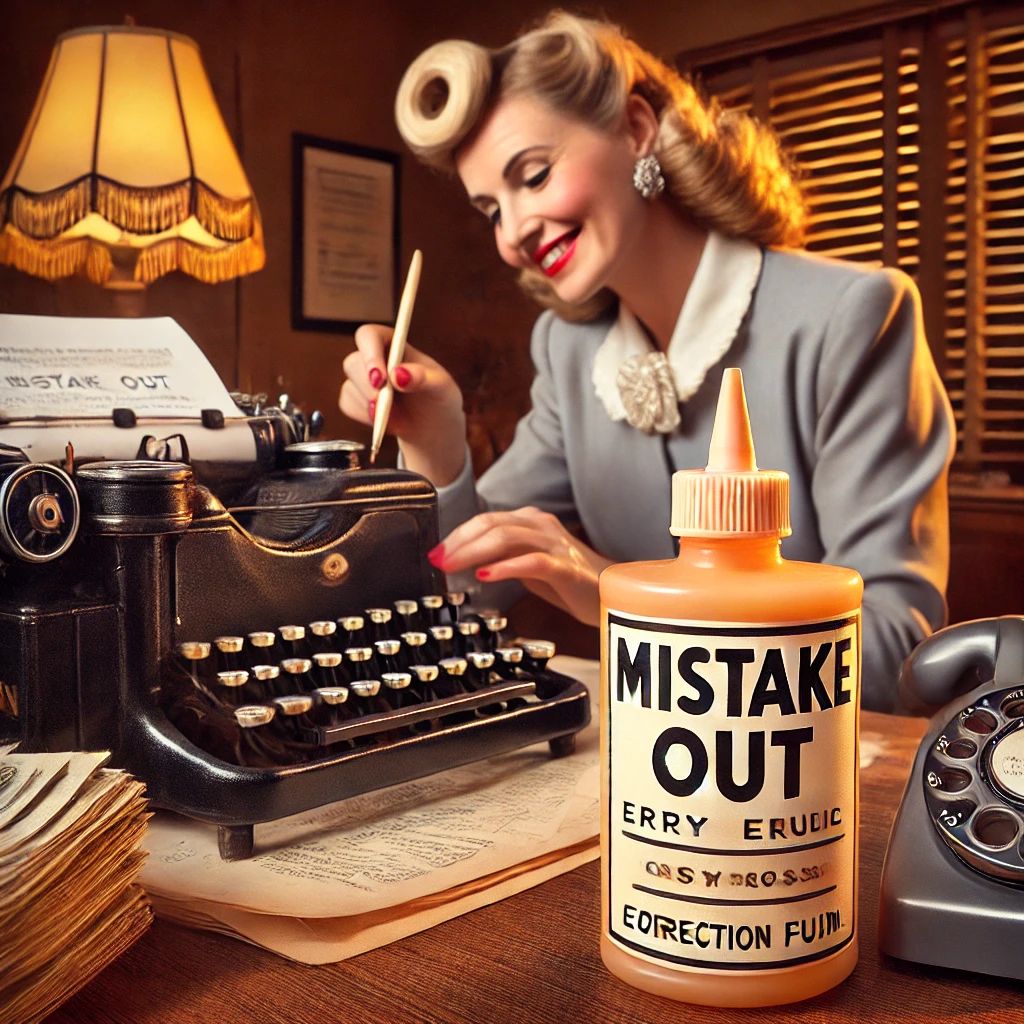
The Birth of “Mistake Out”
Using a blender in her kitchen, Graham experimented with different formulas, eventually developing a white, quick-drying fluid that could be applied over mistakes and retyped on once dried. She called her invention “Mistake Out” and began supplying it to her colleagues. Word spread quickly, and soon, secretaries across offices were using her homemade correction fluid.
From Kitchen Formula to Corporate Success
Realizing she had a valuable product, Graham officially founded the Mistake Out Company in 1956. She spent years refining the formula and growing her business. In 1979, her company was acquired by Gillette for nearly $50 million, and the product was later rebranded as White-Out under the Paper Mate brand.
Legacy of Innovation
Bette Nesmith Graham’s invention revolutionized office work, making corrections easier and more efficient. Her success not only changed the way people worked but also paved the way for other correction products like tape and digital editing tools.
Ironically, Graham’s son, Michael Nesmith, would go on to become famous as a member of The Monkees, a popular 1960s band. While his music career soared, his mother’s invention became a staple in offices and classrooms worldwide, proving that sometimes, the best ideas come from the simplest solutions.
 The Origin Zone