
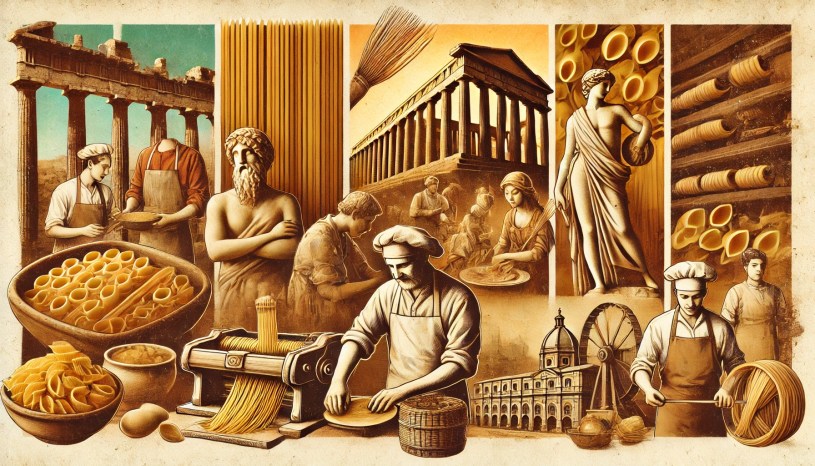

The Origin Story of Pasta: A Journey Through Time
Pasta is one of the world’s most beloved foods, but its origin story is a fascinating blend of myth, history, and cultural evolution. From ancient civilizations to modern kitchens, pasta has traveled continents and centuries to become the staple it is today.
Did Marco Polo Bring Pasta to Italy?
One of the most popular (but incorrect) stories about pasta is that Marco Polo introduced it to Italy from China in the 13th century. While it’s true that Polo encountered Chinese noodles, pasta had already existed in Italy for centuries. The Etruscans and Romans made early forms of pasta by grinding grains and mixing them with water, then drying the dough in the sun.
Ancient Beginnings
The earliest known evidence of pasta-like food dates back over 4,000 years to China, where archaeologists discovered a bowl of millet noodles. However, similar dishes were also common in the Middle East. The Arabs are believed to have introduced a dried, shelf-stable form of pasta to Sicily during their rule in the 9th century. This version of pasta, called itriyya, was perfect for long journeys and became widely popular.
Medieval Italy and the Rise of Pasta
By the Middle Ages, pasta was a well-established food in Italy, particularly in Sicily and Naples. It was eaten fresh or dried and was often paired with simple ingredients like cheese, spices, and oil. With the introduction of durum wheat, which thrived in Italy’s climate, pasta production flourished, leading to the many shapes and varieties we know today.
The Birth of Modern Pasta
The 17th and 18th centuries saw pasta become a staple of the Italian diet, especially in Naples, where pasta factories began to emerge. The development of mechanical pasta-making equipment allowed for mass production, making it more affordable. The addition of tomatoes from the New World in the 16th century revolutionized pasta dishes, eventually giving rise to the classic pasta al pomodoro.
Pasta Goes Global
With Italian immigration in the 19th and 20th centuries, pasta spread around the world. Italians brought their recipes to America, Argentina, and beyond, making spaghetti and other pasta dishes household favorites worldwide. Today, pasta continues to evolve, with chefs experimenting with new ingredients, shapes, and flavors.
A Timeless Dish
From humble beginnings to global fame, pasta’s journey reflects the movement of cultures and culinary traditions. Whether served simply with olive oil or as part of an elaborate dish, pasta remains a testament to history, innovation, and the universal love of good food.
 The Origin Zone