
The Origin Story of Paracord: From Battlefield to Everyday Essential
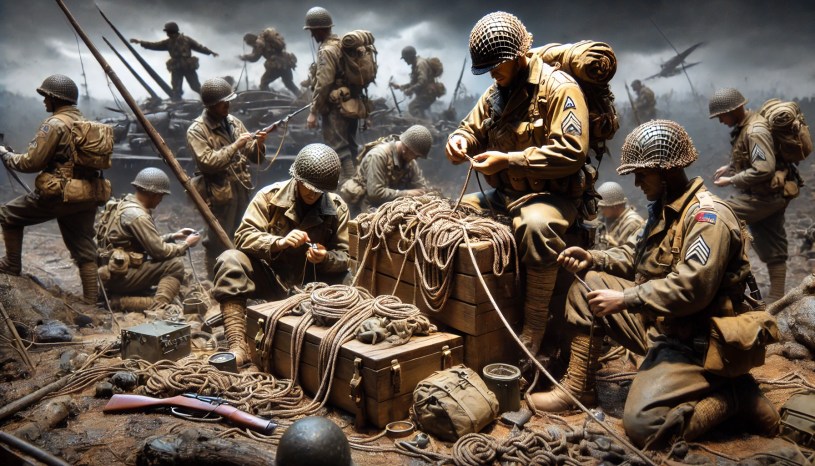
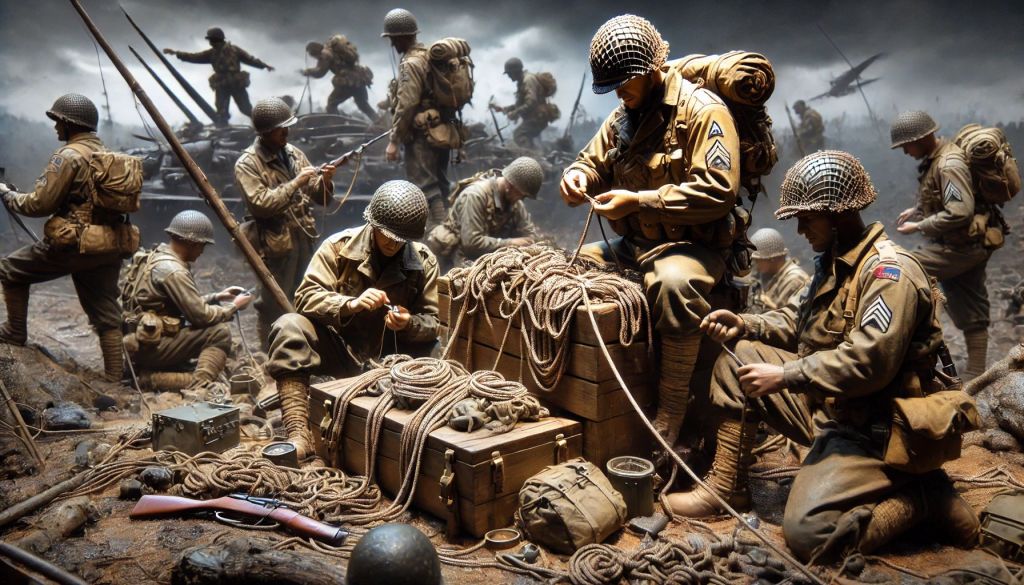
Paracord, short for parachute cord, has a fascinating origin that traces back to World War II. Originally developed as a lightweight yet incredibly strong rope for military parachutes, this versatile cord quickly proved to be much more than just a tool for safe landings.
Wartime Invention and Utility
The U.S. military first introduced Type III paracord, commonly known today as 550 cord (because it has a breaking strength of 550 pounds), as a critical component in parachute rigging. Made of a nylon sheath with seven inner strands, it was lightweight, durable, and resistant to rot and mildew.
However, soldiers on the battlefield quickly discovered that paracord had countless other uses beyond parachuting. They used it to:
Secure gear and weapons
Build shelters
Make emergency tourniquets
Repair uniforms and equipment
Even fashion makeshift bootlaces or fishing lines
Its adaptability made paracord a lifesaver in combat situations.
From Military to Civilian Life
After the war, military surplus paracord found its way into civilian hands. Survivalists, hikers, and outdoor enthusiasts embraced it for camping, survival kits, and DIY projects. NASA even used paracord on a mission to repair the Hubble Space Telescope, proving its effectiveness beyond Earth’s atmosphere.
Modern-Day Popularity
Today, paracord has evolved into a cultural icon, used in everything from bracelets and keychains to dog leashes, hammocks, and fashion accessories. Preppers and emergency responders still rely on its strength, while crafters and DIYers have turned it into an art form.
From the battlefields of WWII to the hands of survivalists and hobbyists today, paracord’s journey is a testament to innovation, resilience, and versatility. Whether you’re in the wilderness or just need a strong rope for daily tasks, paracord remains one of the most reliable tools ever created.
 The Origin Zone