
The Accidental Discovery of Super Glue: A Sticky Revolution
Some of the best inventions in history have come about by accident, and super glue is no exception. What started as a failed experiment in World War II later became one of the most versatile and widely used adhesives in the world. The story of super glue is one of curiosity, persistence, and unexpected applications—ranging from household repairs to saving lives on the battlefield.
—
A Wartime Experiment Gone Wrong (or Right?)
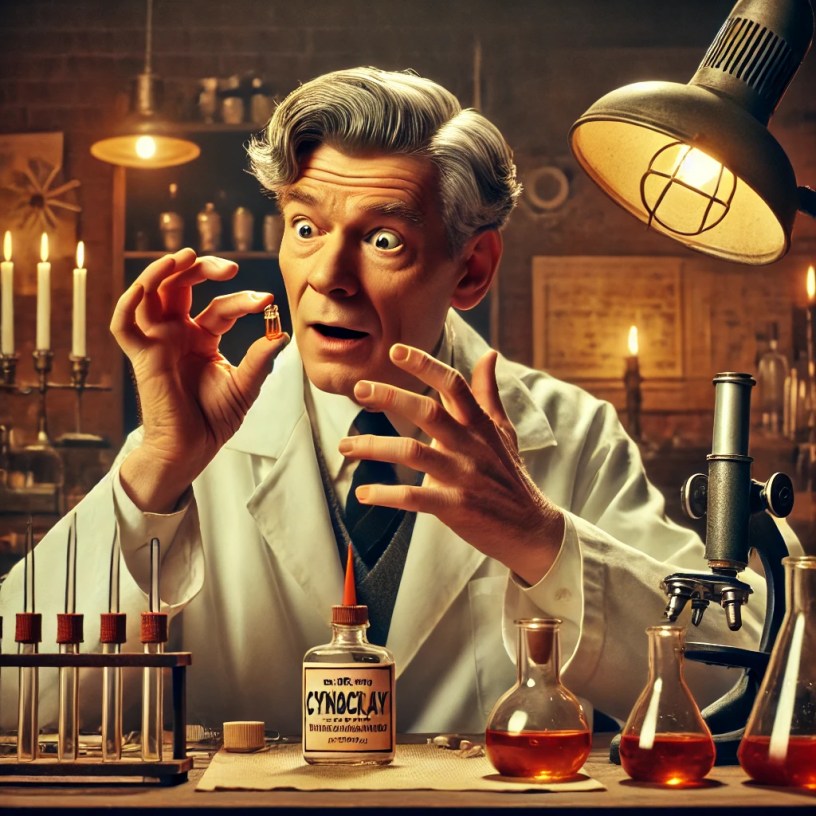
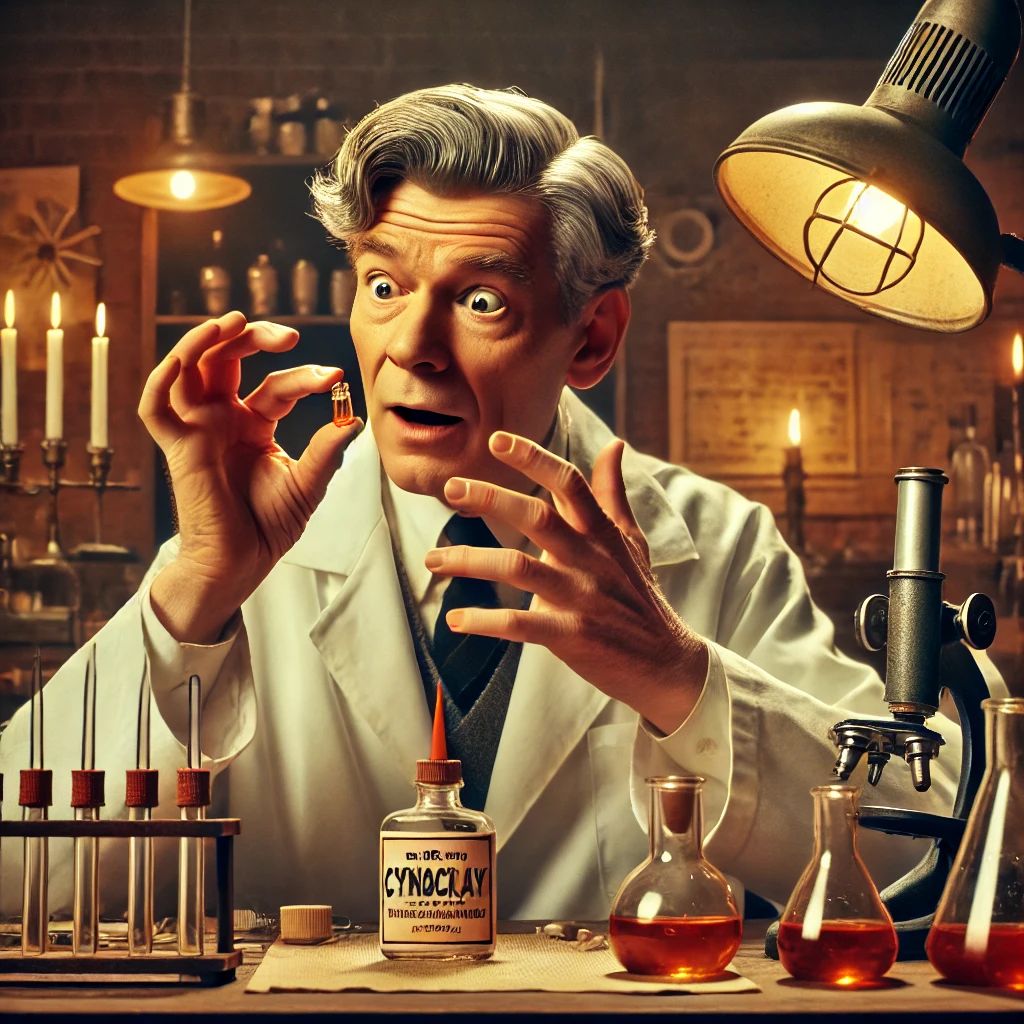
The origins of super glue trace back to 1942, during World War II. Dr. Harry Coover, a chemist at Eastman Kodak, was part of a research team looking for materials to create clear plastic gun sights for Allied soldiers. One of the compounds they experimented with was cyanoacrylate. However, they quickly realized that this substance was extremely sticky and difficult to work with—it bonded to everything it touched.
At the time, the discovery was seen as more of a nuisance than a breakthrough. The team abandoned the idea, moving on to other materials.
—
Rediscovering the Potential
Fast-forward to 1951, when Dr. Coover, now working with colleague Fred Joyner, stumbled upon cyanoacrylate again while developing heat-resistant materials for jet canopies. This time, rather than dismissing it as a failed experiment, they recognized its potential as a commercial adhesive.
They refined the formula and, in 1958, Eastman Kodak introduced the first version of super glue to the market under the name “Eastman #910.” The product was later rebranded as “Super Glue,” a name that emphasized its incredible bonding strength.
—
From Household Fixes to Life-Saving Uses
Super glue quickly became popular for household repairs, hobbies, and industrial applications. But one of its most surprising uses came during the Vietnam War.
Medics in the field used cyanoacrylate sprays to quickly seal wounds and stop bleeding, buying time for wounded soldiers to reach proper medical facilities. Though it wasn’t an officially approved medical procedure at the time, it saved countless lives. This paved the way for later medical-grade adhesives, now commonly used in surgery to close wounds without stitches.
—
A Legacy That Sticks
Today, super glue is found in almost every home, workshop, and hospital. From fixing broken objects and strengthening fingernails to assisting in forensic investigations (yes, it’s used in fingerprint detection!), its applications are nearly endless.
Dr. Harry Coover’s accidental discovery turned out to be one of the most revolutionary adhesives ever created. He was later recognized for his contribution to science and technology, even receiving the National Medal of Technology and Innovation in 2010.
So next time you reach for a bottle of super glue, remember: it’s not just an adhesive—it’s a wartime experiment, a medical breakthrough, and a symbol of how unexpected discoveries can change the world.
 The Origin Zone