
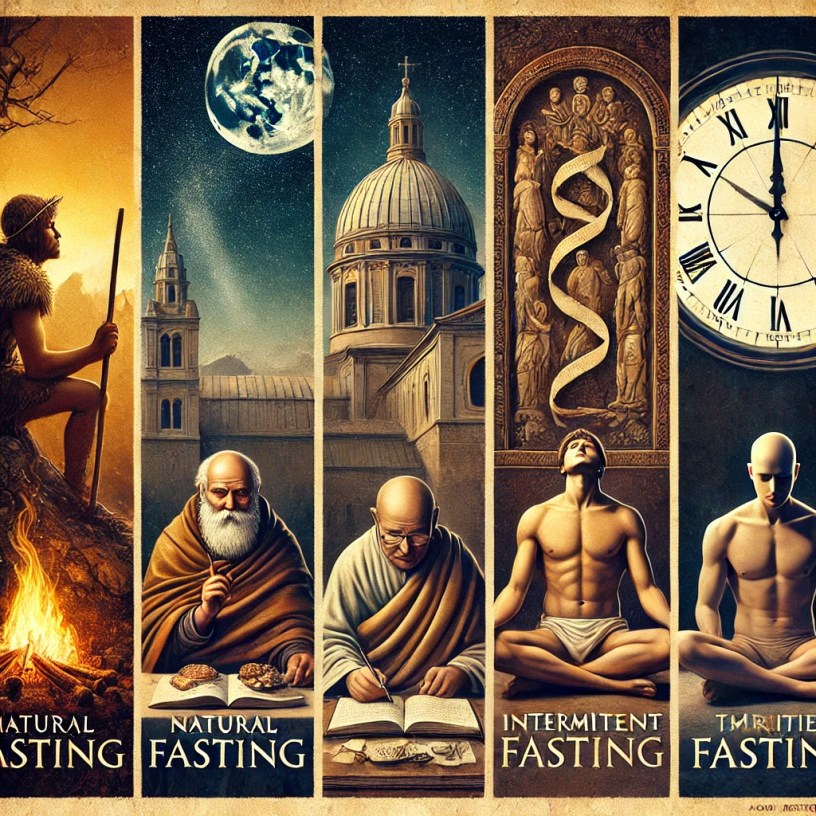

The Origin Story of Fasting: A Timeless Practice
Fasting is one of the oldest health and spiritual practices known to humanity. Its roots stretch back to ancient civilizations, where it was used for religious, cultural, and medicinal purposes. From early shamans and philosophers to modern wellness enthusiasts, fasting has evolved but always carried a profound significance.
Ancient Beginnings: A Natural Practice
Before fasting became a structured practice, it was simply a part of life. Early humans, living as hunter-gatherers, often went long periods without food due to the unpredictability of hunting and foraging. Their bodies adapted, developing mechanisms to survive extended periods without sustenance. This natural form of fasting laid the foundation for its later adoption as a deliberate practice.
Fasting in Religion and Spirituality
As civilizations grew, fasting took on deeper spiritual meaning. Nearly every major religion incorporated it as a tool for purification, discipline, and connection to the divine:
Hinduism: Followers fast on specific days, such as Ekadashi, believing it cleanses the body and mind.
Buddhism: Many Buddhist monks and practitioners follow intermittent fasting as part of their spiritual routine.
Judaism: Yom Kippur, the Day of Atonement, involves a 25-hour fast for self-reflection and repentance.
Christianity: Fasting is observed during Lent, mirroring the 40-day fast of Jesus in the desert.
Islam: Ramadan is a month-long fast from sunrise to sunset, emphasizing self-control and spiritual growth.
The Philosophers and Physicians of Fasting
Greek philosophers like Pythagoras and Plato practiced fasting, believing it enhanced mental clarity. Hippocrates, the father of medicine, prescribed fasting as a remedy for various illnesses, asserting that “to eat when you are sick is to feed your sickness.” In Traditional Chinese Medicine and Ayurveda, fasting was seen as a way to balance energy and promote healing.
The Revival of Fasting in Modern Times
In the 19th and 20th centuries, fasting saw a resurgence as scientists studied its effects on health and longevity. Today, intermittent fasting (IF) has gained global popularity for its benefits, including weight loss, improved metabolism, and cellular repair. Many now practice fasting not just for spiritual reasons but as a lifestyle choice for better well-being.
The Timeless Appeal of Fasting
Whether for survival, spirituality, or science, fasting has remained a universal practice throughout human history. Its story is one of resilience, discipline, and transformation—a practice that continues to evolve while staying deeply rooted in ancient wisdom.
 The Origin Zone