

The Origins of National Medal of Honor Day
Every year on March 25th, the United States observes National Medal of Honor Day, a solemn occasion to recognize the bravery and sacrifice of the nation’s most distinguished military heroes. But how did this day come to be?
The Birth of the Medal of Honor
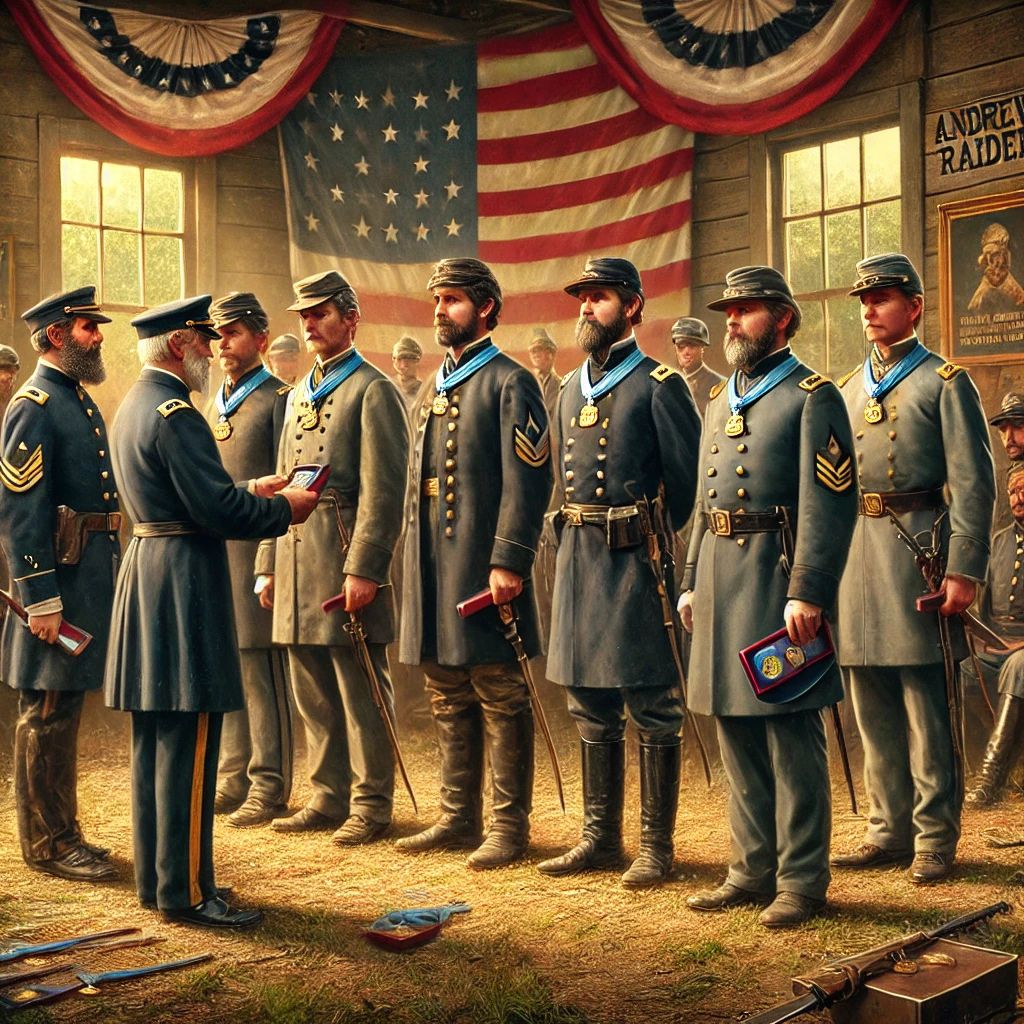
The Medal of Honor, the highest military decoration awarded by the U.S. government, traces its origins back to the Civil War. In 1861, President Abraham Lincoln signed a resolution authorizing the creation of the medal to recognize gallantry and bravery in combat. The first Medals of Honor were awarded on March 25, 1863, to six members of Andrews’ Raiders for their daring mission to disrupt Confederate supply lines during the Great Locomotive Chase.
Establishing National Medal of Honor Day
For over a century, the Medal of Honor remained the nation’s highest symbol of military valor. However, there was no official day set aside to honor the recipients until the late 20th century. Recognizing the need for a dedicated observance, Congress passed Public Law 101-564, signed by President Ronald Reagan in 1990, designating March 25th as National Medal of Honor Day. The date was chosen to commemorate the first-ever Medal of Honor recipients in 1863.
Why It Matters
National Medal of Honor Day is more than a date on the calendar—it is a reminder of the courage, sacrifice, and selflessness displayed by those who have received this prestigious award. Today, Americans are encouraged to reflect on the values of duty and heroism, participate in ceremonies, and express gratitude to those who have gone above and beyond in service to the nation.
From its Civil War origins to its official recognition in 1990, National Medal of Honor Day continues to be a powerful tribute to the bravest among us—those who have earned the nation’s highest military honor.
 The Origin Zone