
The Origins of Mount Rushmore: How a Mountain Became a Monument
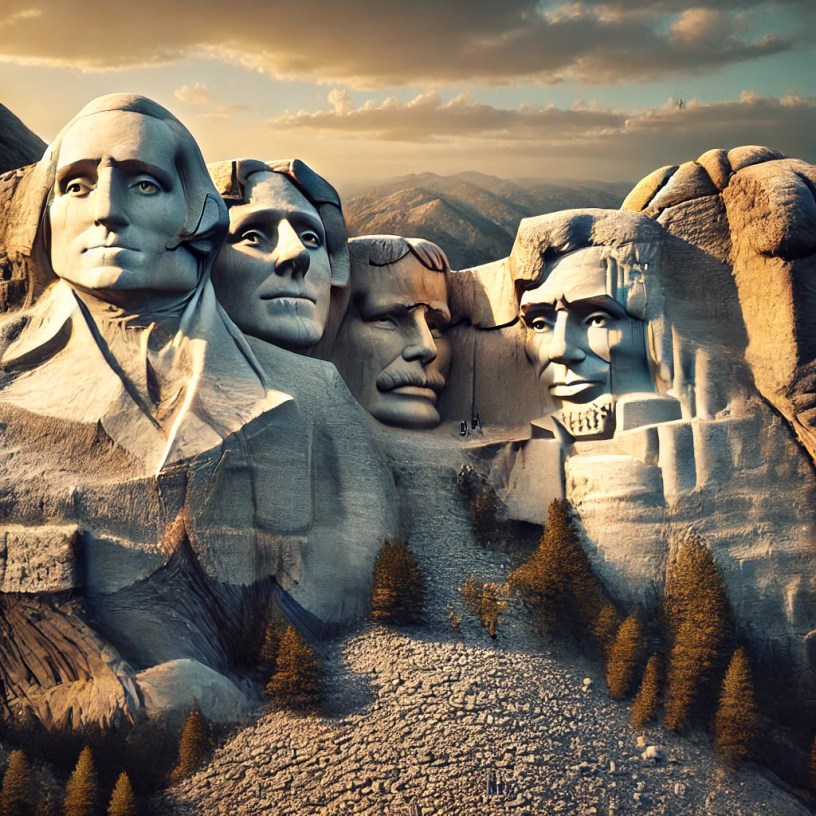
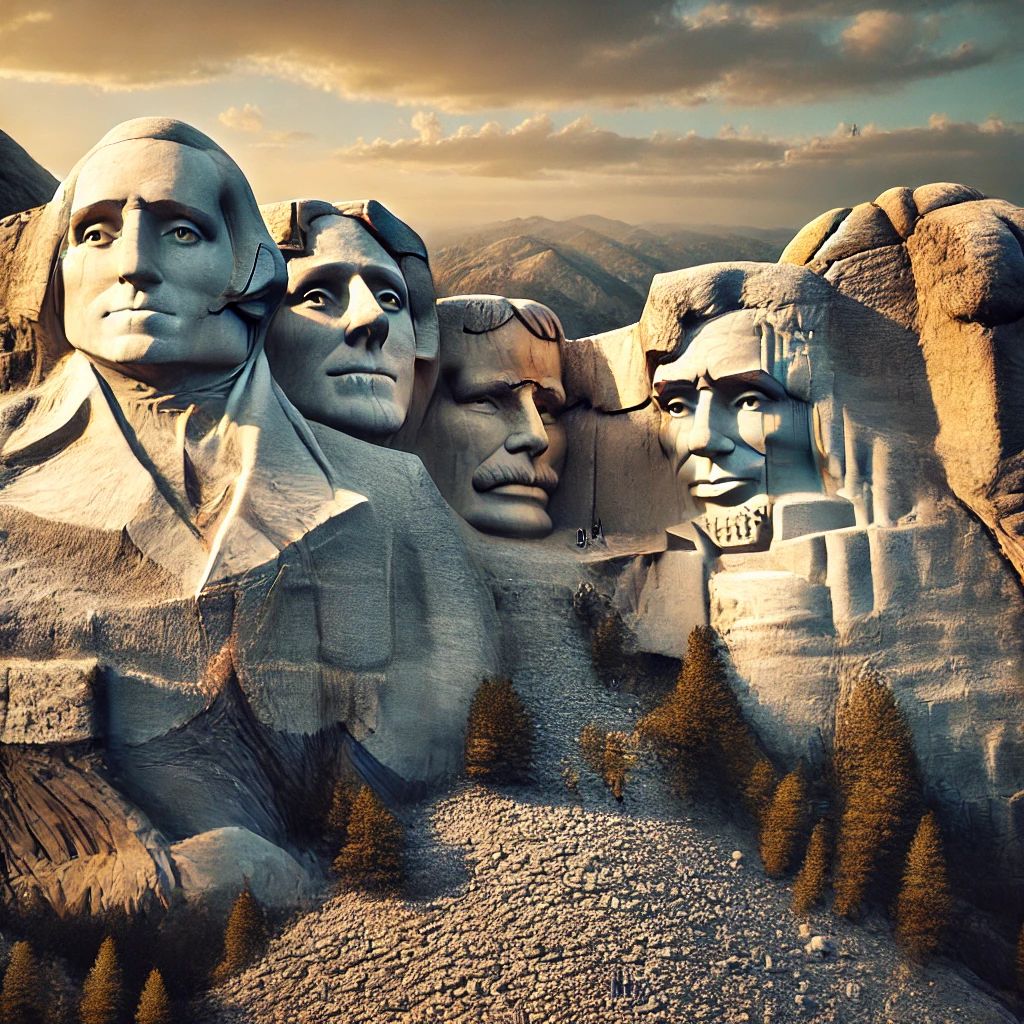
Carved into the Black Hills of South Dakota, Mount Rushmore is one of the most iconic monuments in the United States. It features the 60-foot faces of four U.S. presidents—George Washington, Thomas Jefferson, Theodore Roosevelt, and Abraham Lincoln. But how did this ambitious project come to be?
A Vision for the Black Hills
The idea for Mount Rushmore was born in the early 1920s when South Dakota historian Doane Robinson sought a way to attract more tourists to the state. He envisioned a massive sculpture featuring western heroes like Lewis and Clark, Buffalo Bill Cody, and Lakota leader Red Cloud.
Robinson reached out to sculptor Gutzon Borglum, who had been working on the Confederate memorial at Stone Mountain in Georgia. Borglum, however, had bigger ideas—he wanted to create a national monument that celebrated the country’s history, not just the American West. He proposed sculpting U.S. presidents instead.
Selecting the Site
Borglum and Robinson chose Mount Rushmore, a granite peak named after a New York lawyer who had visited the area in the 1880s. The location offered a stable rock face that could withstand carving and had the advantage of being in direct sunlight most of the day.
Carving the Monument
Work began on October 4, 1927. Using dynamite, jackhammers, and chisels, workers carefully sculpted the presidents’ faces under Borglum’s direction. The process took 14 years, with delays caused by funding shortages and Borglum’s perfectionist tendencies. After Borglum’s death in 1941, his son, Lincoln Borglum, oversaw the final touches.
A Symbol of American Legacy
Originally, Borglum planned for the monument to include more details, such as the presidents’ torsos and an extensive inscription highlighting key events in U.S. history. However, time and money ran out, and the project ended with just the heads.
Mount Rushmore officially became part of the National Park Service in 1933 and was completed in 1941. Today, it attracts millions of visitors each year, standing as a testament to American ambition, artistry, and resilience.
Controversy and Legacy
Despite its grandeur, Mount Rushmore remains controversial. The Black Hills are sacred to the Lakota Sioux, who consider the carving a desecration of their land. The monument also symbolizes the broader history of Native American displacement. In response, efforts have been made to recognize Native perspectives, including the ongoing construction of the Crazy Horse Memorial nearby.
Mount Rushmore’s history is one of ambition, artistry, and complexity. Whether seen as a patriotic symbol or a contested landmark, its story is deeply woven into America’s past and present.
 The Origin Zone